 |
The 5th International Conference of
Advanced Computing and Informatics
10-11 Septembre, 2026
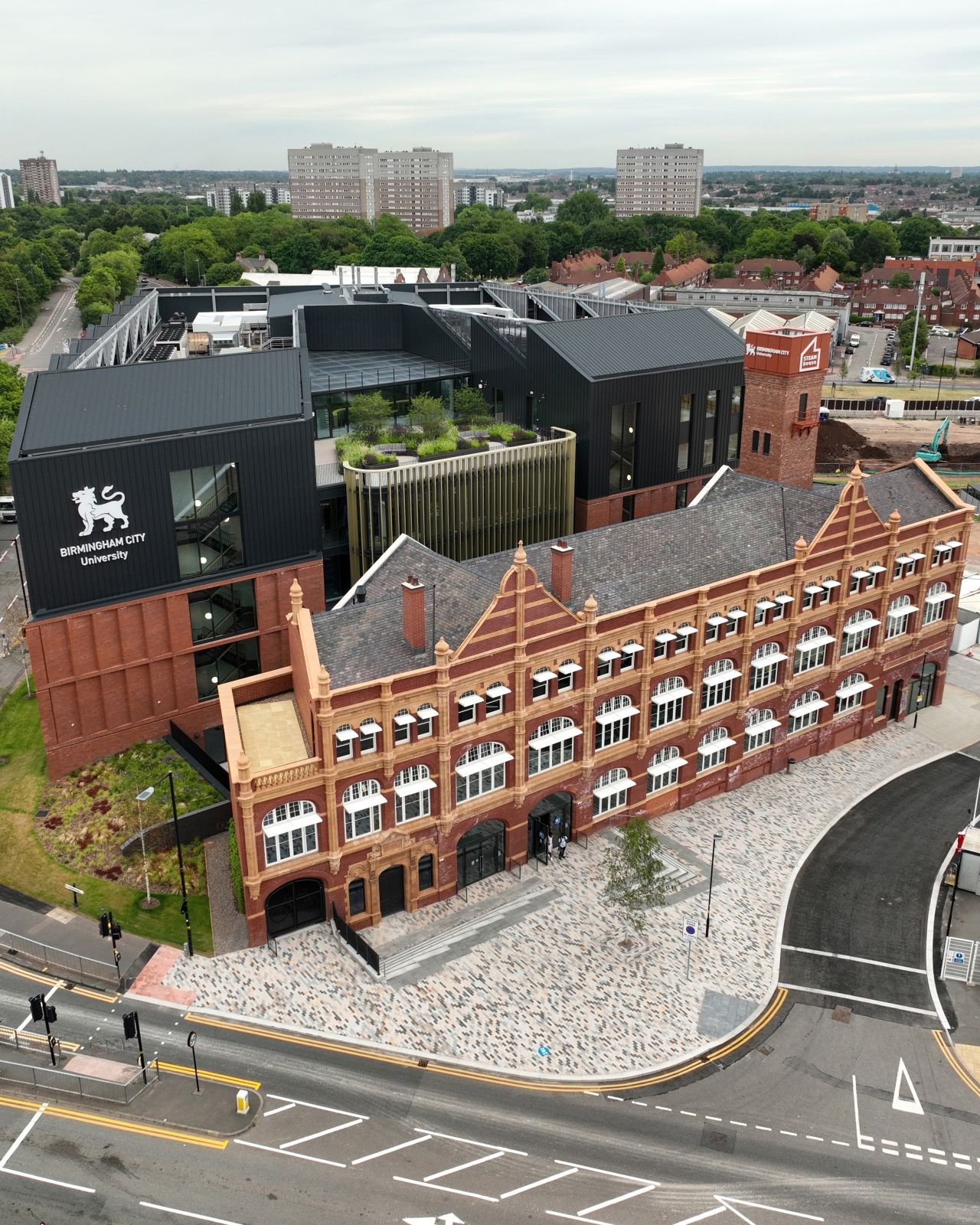
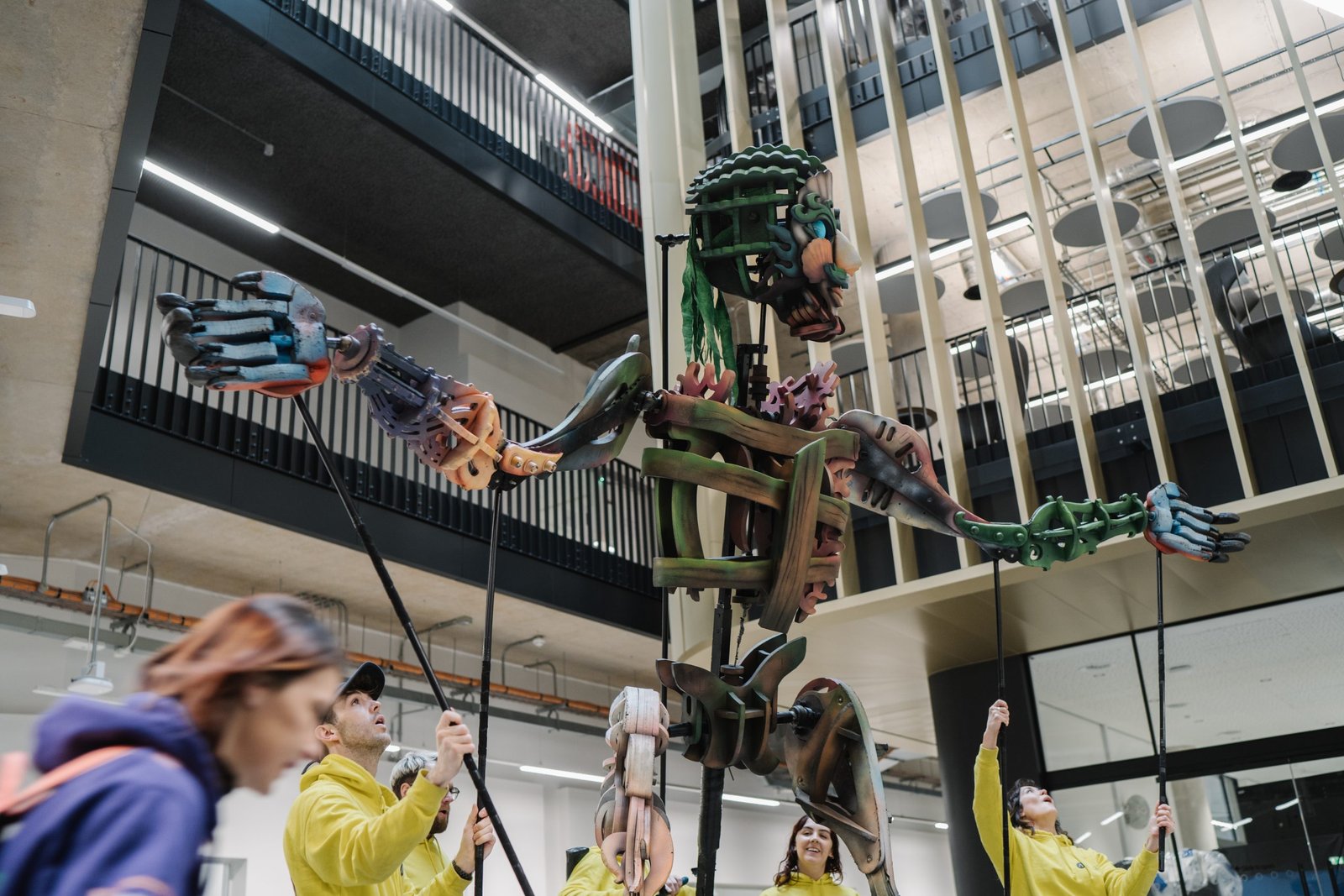
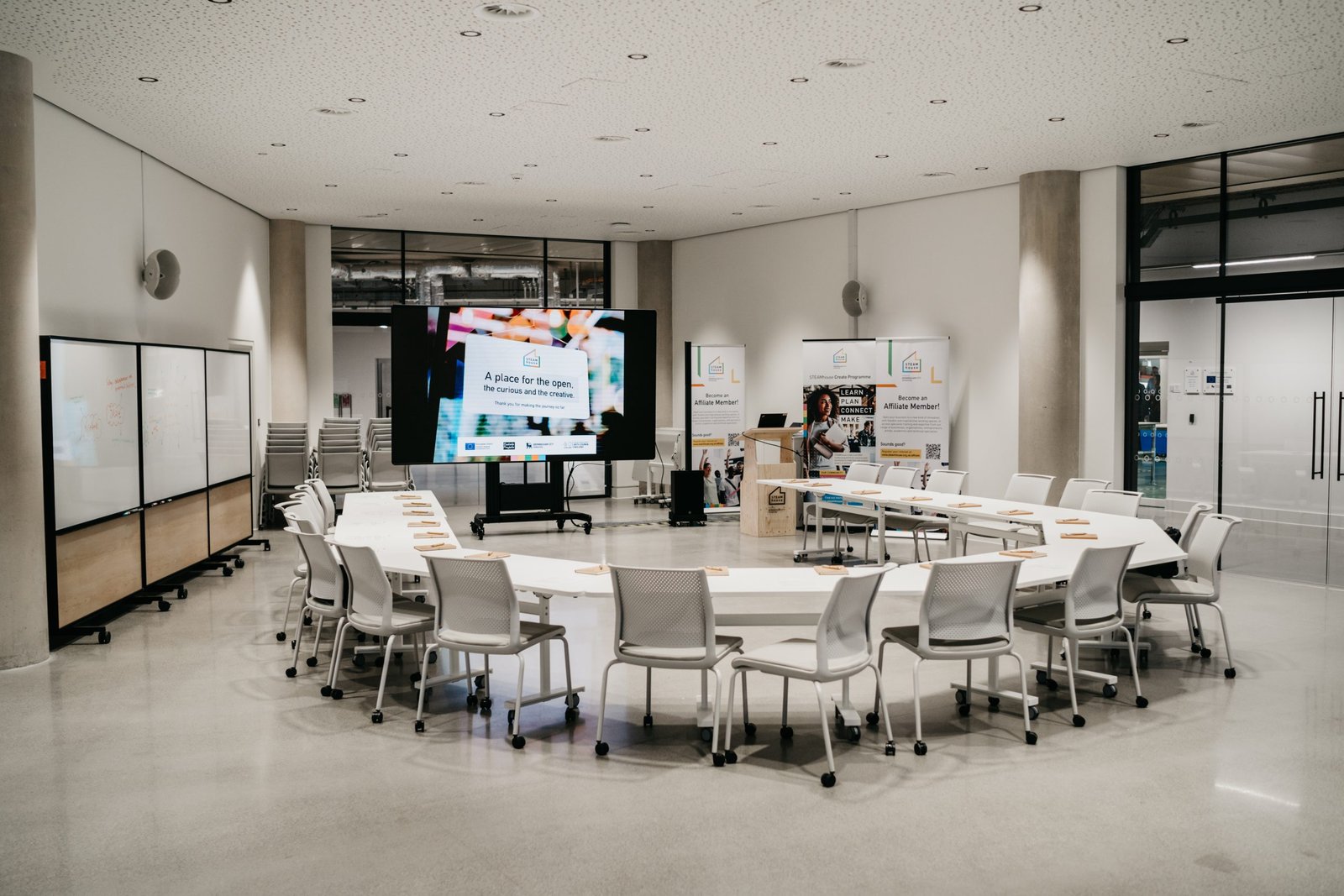
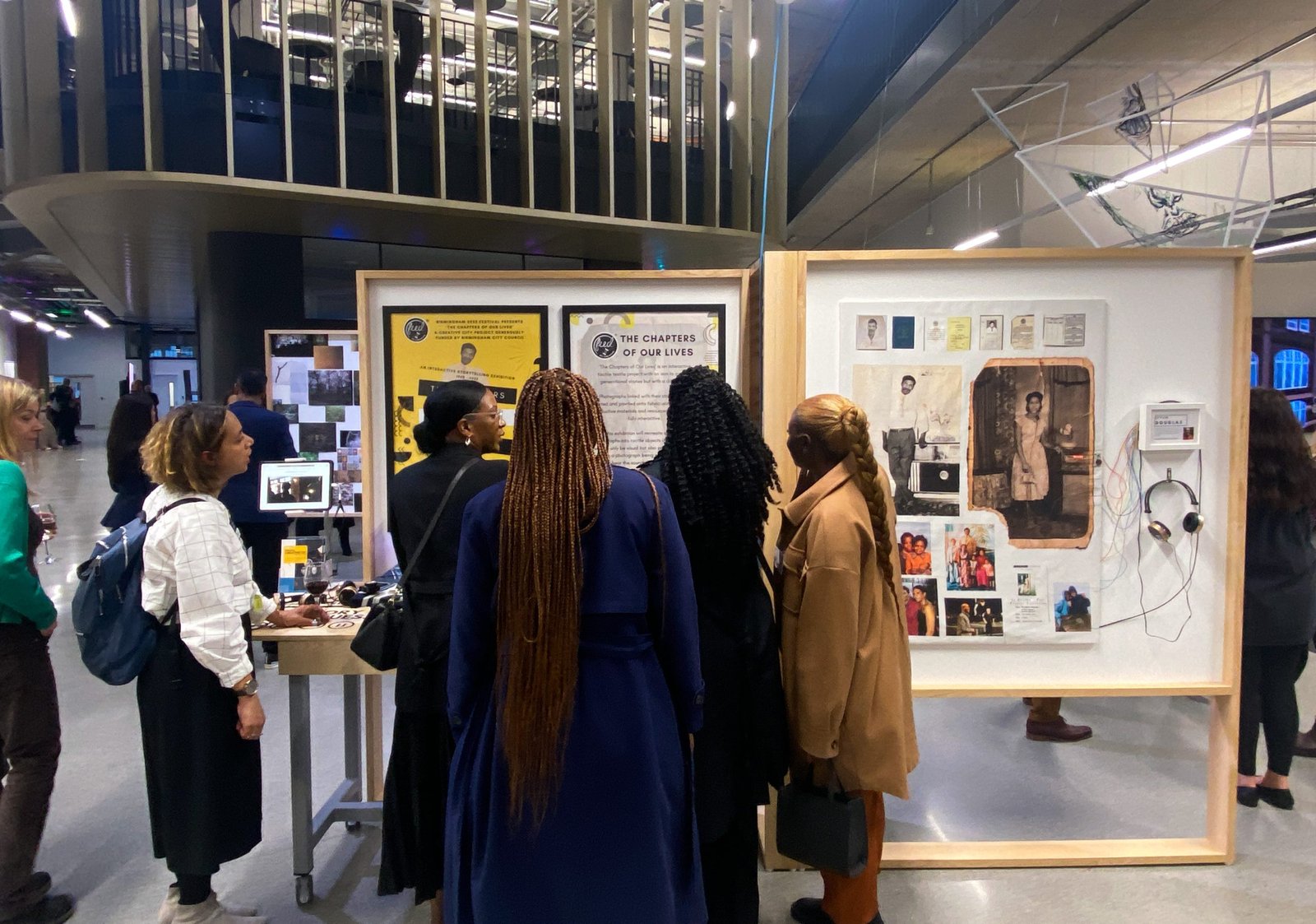
STEAMhouse, BIRMINGHAM CITY UNIVERSITY, UK
Hybrid Conference
1 August 2026
20 August 2026
1 September 2026

ICACIN Conference
ICACIN 2026
is a forum for presenting technological advances and research results in the fields of ICT, with a particular focus on the latest
developments in AI and its applications in healthcare and cybersecurity.
The conference is organized in conjunction with the BCU Computing Symposium and will be hybrid (in-person & online) hosted at STEAMhouse,
Birmingham City University (UK) with a parallel session at the Faculty of Sciences Ain Chock Casablanca, Hassan II University (Morocco),
bringing together innovative minds and cutting-edge research from around the world on 10-11 September 2026. The conference will bring together leading
researchers in the domain of computing and informatics from around the world. We warmly welcome authors to submit your articles to ICACIN 2026
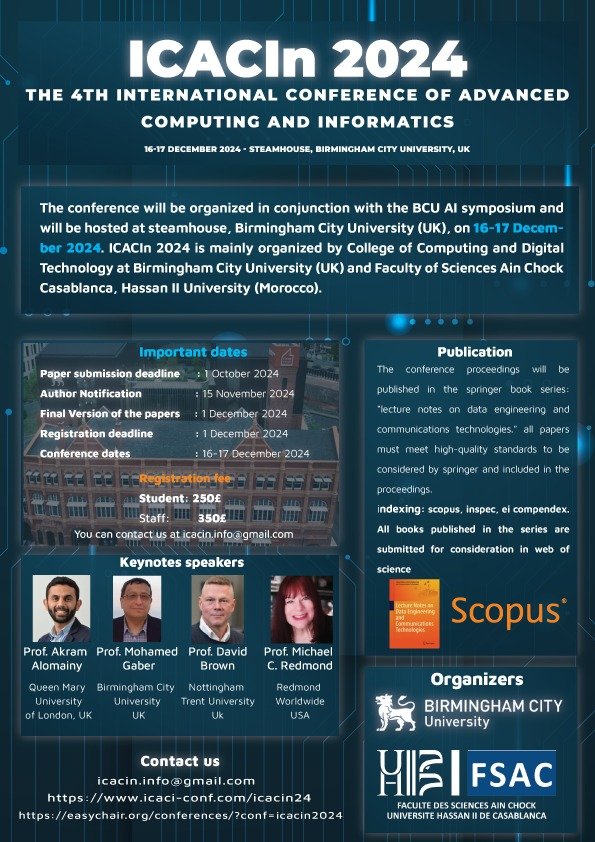
and share the valuable experiences with the scientists and scholars around the world. The conference proceedings will be published in the Springer Book Series: "Lecture Notes on Data Engineering and Communications Technologies." All papers must meet high-quality standards to be considered by Springer and included in the proceedings.
Indexing: SCOPUS, INSPEC, EI Compendex.
ICACIN'26 CFP
Indexing: SCOPUS , INSPEC , EI Compendex .
Tracks
Call For Papers
Aims
ICACIn 2026 is a forum for presenting technological advances and research results in the fields of ICT, with a particular focus on the latest developments in AI and its applications in healthcare and cybersecurity. The conference is organized in conjunction with the BCU Computing Symposium and will be hybrid (in-person & online) hosted at STEAMhouse, Birmingham City University (UK) with a parallel session at the Faculty of Sciences Ain Chock Casablanca, Hassan II University (Morocco), bringing together innovative minds and cutting-edge research from around the world, on 16-17 December 2024. ICACIn 2024 is mainly organized by Department of Computer Science at Birmingham City University (UK) and Faculty of Sciences Ain Chock Casablanca, Hassan II University (Morocco), Faculty of Computing at Universiti Teknologi Malaysia and Research and Innovation Center at Astana IT University (Kazakhstan).
Submission
The use of artificial intelligence (AI)–generated text in an article shall be disclosed in the acknowledgements section of your paper. The sections of the paper that use AI-generated text shall have a citation to the AI system used to generate the text.-->
The main submission guidelines are :
- The format to submit the papers is available at Springer (see Instructions for Authors on Springer’s website) : Springer's website. Or you can download Springer Word format : Template
- ICACIN 2026 submissions are required to be double blind (anonymous submissions). In order for the paper to be reviewed, please remove the authors names and affiliations from the paper and upload the pdf file to your Easychair account.
- Submit your paper here : Easychair
- The number of pages should not exceed 12 pages.
Fees
o Student Fee: £250
o Staff Fee: £350
REGISTRATION GUIDELINES
1. Download the Required Templates and Forms from (https://icacin.com/)
o Camera-Ready Paper Template
o Copyright Form
2. Revise Your Paper
Incorporate all reviewers' comments below and ensure that the paper meets all suggested improvements.
3. Submit the Following Files to EasyChair
Update your existing submission with:
a) Table of Corrections and Revised Paper (PDF): A single file showing tracked changes.
b) Camera-Ready Paper (.docx): Ensure proper proofreading, high-quality figures/formulas (if applicable), and include affiliations and email addresses for all authors.
c) Copyright Form (PDF): Must be manually signed by the corresponding author. Typing the author’s name as a signature is not acceptable to Springer; a handwritten signature is required.
d) Proof of Payment (PDF): Upload evidence of registration payment.
e) Student ID (PDF): If registering as a student, include a valid student ID copy.
f) Corresponding Author Details (PDF): Include the name and email address of the corresponding author.
g) High-Quality Figures (ZIP): Upload any figures separately in high resolution.
4. Deadline for Camera-Ready Submission:
Submit your Camera-Ready paper by 5th September 2026. Papers submitted after this deadline will not be considered for publication.
5. Ensure Compliance with Formatting Guidelines:
Follow the conference template for both the camera ready paper content and references. Non-compliance may result in rejection.
6. Similarity Check Requirement:
Ensure the similarity index of your paper is below 20%. Papers exceeding this limit will not be considered by Springer. Ensure that no AI tools were used in the writing of this paper.
7. Complete Registration Payment:
At least one author must complete registration by 5th September 2026 via Eventbrite Link: https://www.eventbrite.com/e/icacin26-tickets-1998861720213?aff=oddtdtcreator
o Student Fee: £250
o Staff Fee: £350
8. Publication:
Only papers meeting all submission requirements and registered by 5th September 2026 will be eligible for publication in the Springer book series, subject to the publisher’s approval and feedback.
KEYNOTE SPEAKERS
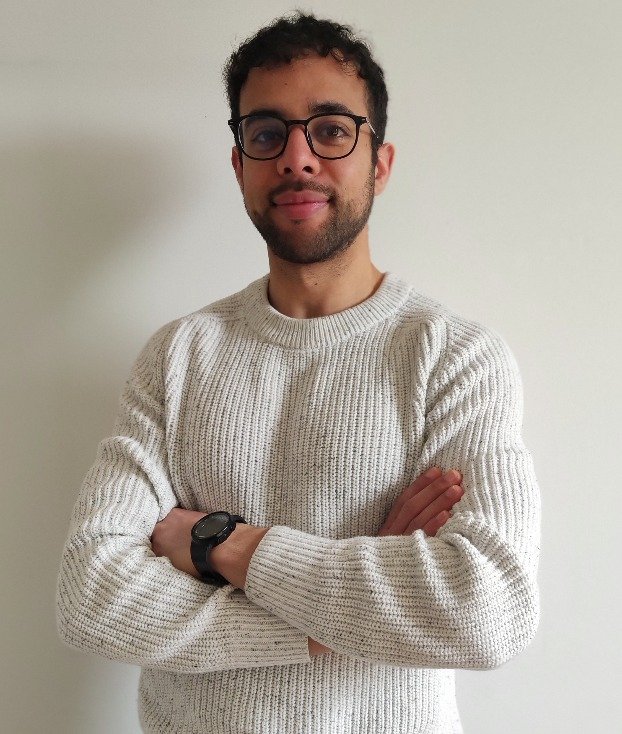
Researcher and faculty member at CESI LINEACT
Strasbourg , French.
Dr. Zakariya Ghalmane is a researcher and faculty member at CESI LINEACT. His research focuses primarily on the application of Artificial Intelligence to complex networks and communication systems. His early research addressed complex network analysis, particularly centrality measures, community structures, and backbone extraction in weighted and modular networks. More recently, his research has focused on cybersecurity in Internet of Things (IoT) networks, combining Complex Network Analysis, Machine Learning, Deep Learning, Graph Neural Networks (GNNs), and Federated Learning to develop privacy-preserving and effective intrusion detection approaches. He is also interested in the optimization and adaptation of learning models to the dynamic, distributed, and heterogeneous characteristics of IoT environments. His work has resulted in publications in international scientific journals and conferences, with a particular emphasis on developing robust, adaptive, and intelligent approaches for analyzing and securing IoT netowrks.
Program
COMMITTEES
Honorary Chair
| Prof. Adel Aneiba, Dean of School of Architecture, Built Environment, Computing and Engineering, UK |
| Prof. SOUKRI Abdelaziz, Dean of the Faculty of science Ain Chock, Hassan II University – Casablanca Morocco |
Internationnal advisory board Chair
| Prof. Junaid Arshad, Birmingham City University, UK |
| Prof. Edlira Vakaj, Birmingham City University, UK |
| Prof. Naomie Salim, Universiti Teknologi, Malaysia |
| Prof. Rose Alinda Alias, Universiti Teknologi, Malaysia |
| Prof. Jagdev Bhogal, Birmingham City University, UK |
| Prof. Akram Alomainy, Queen Mary University of London, UK |
| Prof. Qammer Abbasi, Glasgow University, UK. |
| Prof. Mohammed Al-Hagry, Qasim University, Saudi Arabia |
General Chairs
| Prof. Faisal Saeed, Birmingham City University, UK |
| Mohammed ERRAIS FSAC, Hassan II University, Morocco |
Finance Committee
| Tawfik Al-Hadhrami, Nottingham Trent University, UK |
| Abdullah Dahawi, Universiti Teknologi Malaysia |
Registration Committee
| Sameer Hassan, Universiti Teknologi, Malaysia |
| Abdulrahman Al-Sewari, Birmingham City University, UK |
| Hadeel Saadany, Birmingham City University, UK |
Publicity Committee
| Abdullah Al-Dhahawi, Universiti Teknologi Malaysia |
| Yousef Fazea, Marshall University, West Virginia, USA |
Publication Committee
| Fathey Mohammed, Universiti Utara Malaysia |
| Fuad Ghaleb, Birmingham City University, UK |
| Mohammed Al-Sarem, Taibah University, Saudi Arabia |
Logistic Committee
| Rachdi Mohamed, Hassan II University– Morocco |
| Errais Reda, INRAE PACA Research Center, France |
Sponsorship Committee
| Mandar Meriem, Hassan II University – Casablanca Morocco |
| Miyara Mounia Mohamed, Hassan II University, Morocco |
| Fejtah Leila, Hassan II University, Morocco |
| Jai Andaloussi Said, Hassan II University, Morocco |
IT Committee
| Amer Alsaket, Sitecore, Malaysia |
| Chbihi Louhdi Mohammed Réda, Hassan II University, Morocco |
| Errais Reda, INRAE PACA Research Center, France |
Secretary Committee
| Nadhmi Gazem, Taibah University, Saudi Arabia |
| Samer Bamansoor, Birmingham City University, UK |
| Baddi youssef, Chouayb Doukkali University, Morocco |
Tracks chair Committees
AI Track |
| Mandar Meriem, Hassan II University – Casablanca Morocco |
| Nouh Elmitwally, Birmingham City University, UK |
| Khalid Ismail, Birmingham City University, UK |
| Wadii Boulila, Prince Sultan University, KSA |
DS Track |
| Rasheed Mohammed, Birmingham City University, UK |
| Parnia Samimi, Birmingham City University, UK |
Info Sec Track |
| Fuad Ghaleb, Birmingham City University, UK |
| Jawad Ahmad, Edinburgh Napier University, UK |
| Baddi Youssef, Chouaib Doukkali University, Morocco |
Networking Track |
| Raouyane Brahim , Hassan II University, Morocco |
| Shahid Shabbir, Birmingham City University, UK |
| Essa Shahra, Birmingham City University, UK |
Computational Info Track |
| Gerald Feldman, Birmingham City University, UK |
| Khaled Mahbub, Birmingham City University, UK |
TPC Chairs
| Mohammed Al-Sarem, Taibah University, Kingdom of Saudi Arabia |
| Raouyane Brahim, Hassan II University – Morocco |
Technichal Program Committee
| Aamre Khalil, Lorraine University, France |
| Abbas Dandache, Lorraine University, France |
| Abdallah AlSaeedi, Taibah University, KSA |
| Abdelaziz Ettaoufik, Hassan II University – Morocco |
| Abdelhamid Belmakki, INPT, Rabat - Morocco |
| Abdellah Kassem, UND, Lebanon |
| Javaid ahmad malik National College of Business Administration and Economics, Lahore |
| Abdelltif EL Byed, Hassan II University – Morocco |
| Abderhmane Jarrou, Lorraine University, France |
| Abderrahim Maizat , Hassan II University – Morocco |
| Abderrahim Tragha, Hassan II University – Morocco |
| Abdullah Ghareb, University of Saba Region, Yemen |
| Abdulrahman Alsewari, Universiti Malaysia Pahang, Malaysia |
| Abdulrazak Alhababi, UNIMAS, Malaysia |
| Errais Reda, INRAE PACA Research Center, France |
| El Mehdi Bendriss, Pro IT, Morocco |
| Adil Sayouti, Ecole Royale Navale, Morocco |
| Ahmed Lakhssassi, University of Quebec in Outaouais, Canada |
| Ahmed Madian, NISC, Egypt |
| Ali Balaid, Universiti Teknologi Malaysia, Malaysia |
| Ali Jwaid, Nottingham Trent University, UK |
| Arfat Ahnad Khan, Suranaree University of Technology, Thailand |
| Ashraf Osman, Alzaiem Alazhari University, Sudan |
| Asmaa Benghabrit, ENIM, Rabat - Morocco |
| Assia Bakali , Ecole Royale Navale, Morocco |
| Azouazi Mohamed Hassan II University , Morocco |
| Beverley Cook Essa Hezzam, Nottingham Trent University, UK |
| Bouragba Khalid EST, Morocco |
| Brahim Hmedna UIZ Agadir, Mrocco |
| Brahim Raouyane, Hassan II University – Morocco |
| Chiba Zouhair Hassan II University, Morocco |
| El Filali Sanae FS Ben M’sik , Morocco |
| EL Handri Kaoutar ISGA , Casablanca, Morocco |
| El Houssine Ziyati EST,Casablanca, Morocco |
| El Moukhtar Zemmouri, Moulay Ismail University, Morocco |
| Elmoufidi Abdelal FST MoulaySultan Solayman University, Morocco |
| Emmanuel Simeu, Grenoble-Alpes University, France |
| Er-Rafyg Aicha Université Mohamed VI Rabat, Morocco |
| Essa Hezzam, Taibah University, Kingdom of Saudi Arabia |
| Fabrice Monteiro, Lorraine University, France |
| Faisal Saeed, Taibah University, Kingdom of Saudi Arabia |
| Fathey Mohammed, Universiti Utara Malaysia (UUM), Malaysia |
| Funminiyi Olajide, Nottingham Trent University, UK |
| Georgina Cosma, Nottingham Trent University, UK |
| Hilal Imane, Mohammed V University, Morocco |
| Israa Al_Barazanchi, Baghdad College of Economic Sciences University, Baghdad – Iraq |
| Issam Zahraoui ISGA Casablanca, Morocco |
| Kamal Eddine El Khadri, Abdelmalek Essadi University – Tangier Morocco |
| Khalid ELFAHSSI, Sidi Mohamed Benabdellah University – Fez Morocco |
| Khalid Moussaid, Hassan II University – Morocco |
| Leila Fejtah, Hassan II University, Morocco |
| Meriem Mandar, Hassan II University , Morocco |
| Mohamed Rachdi, ISGA – Morocco |
| Mohamemd El Youssfi, Hassan II University, Morocco |
| Mohammed Alsarem, Taibah University, Kingdom of Saudi Arabia |
| Mohammed Alshargabi, Najran University, KSA |
| Mohammed Baidada ISGA Rabat, Morocco |
| Mohammed H. Jabreel, Universitat Rovira i Virgili, Spain |
| Mohammed Hadwan, Qasim University, Kingdom of Saudi Arabia |
| Mohammed Karim Guennoun, EHTP - Morocco |
| Mohammed Kolib, Taibah University, KSA |
| Mohammed Lahby, Hassan II University – Morocco |
| Mohammed Laraqui, Ibnou Zohr University – Agadir Morocco |
| Mohammed Réda Chbihi Louhdi, Hassan II University – Morocco |
| Mohammed Reda, Hassan II university – Morocco |
| Mohammed Talea, Hassan II University – Morocco |
| Mostafa Bellafkih, INPT, Rabat - Morocco |
| Mouhamad Chehaitly, Lorraine University, France |
| Mounia Abik, ENSIAS, Rabat - Morocco |
| Moussaid Laila ENSEM , Morocco |
| Nabil Madrane, Hassan II University – Morocco |
| Nadhmi Gazem, Taibah University, Kingdom of Saudi Arabia |
| Nadia Saber, EMSI, Morocco |
| Najib el kamoun, Chouaib doukali University - Morocco |
| Neesrin Ali Kurdi, Taibah University |
| Noorminshah Iahad, Universiti Teknologi Malaysia, Malaysia |
| Noura Aknin, Abdelmalek Essadi University – Tangier Morocco |
| Noureddine Abghour, Hassan II University – Morocco |
| Ouail Ouchetto, Hassan II University , Morocco |
| Rabab Chakhmoune, Brams, Morocco |
| Rabia Marghoubi, INPT, Rabat |
| Rachid Dehbi, Hassan II University – Morocco |
| Rachid Saadane, Hassan II University, Morocco |
| Rachida Aitabdelouahid, Hassan II University, Morocco |
| Ramdani Mohamed, Hassan II University, Morocco |
| Rashiq Marie, Taibah University |
| Rashiq Rafiq, Taibah University, KSA |
| Rim Koulali, Hassan II University – Morocco |
| Said Harchi ISGA Rabat, Morocco |
| Said Jai Andaloussi, Hassan II university, Morocco |
| Said Lotfi Université Hassan II, Morocco |
| Said Ouatik El Alaoui, Ibn Tofeil University, Morocco |
| Sanaa Elfilali, Hassan II university, Morocco |
| Siham Lamzabi ISGA Rabat, Morocco |
| Slim Lammoun, ENSIT, Tunis university |
| Soufiane Jounaidi ISGA Morocco |
| Stephen Clark, Nottingham Trent University, UK |
| Taha Hussein, Universiti Malaysia Pahang, Malaysia |
| Tarik Nahal, Hassan II University – Morocco |
| Tariq Saeed Mian Taibah Uviserity, KSA |
| Tawfik Al-Hadhrami, Nottingham Trent University, UK |
| Wadii Boulila, University of Manouba, Tunisia |
| Yousef Fazea, Marshall University, West Virginia, USA |
| Youssef Baddi, Chouaib doukali University - El Jadida Morocco |
| Zahour Omar Hassan II University, Morocco |
Venue
STEAMhouse, BIRMINGHAM CITY UNIVERSITY, UK
Contact
icacin.info@gmail.com